
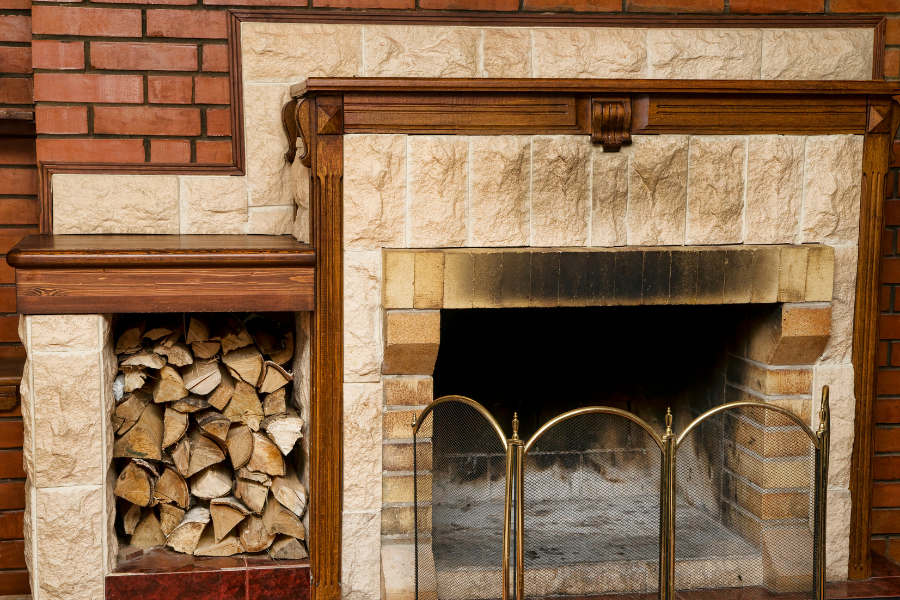
A fireplace can be the centerpiece of a room, warm, welcoming, and full of character. But if it’s looking outdated or no longer matches your decor, painting it is a smart, cost-effective way to give your space an instant refresh.
Whether your fireplace is brick, stone, tile, or metal, the right preparation and paint will ensure a long-lasting finish that transforms the entire room.
Here are some expert tips to help you get it right the first time.
Choose the Right Paint for the Surface
Not all fireplaces are built the same, and each surface requires a specific type of paint:
- Brick and stone: These porous materials need a high-quality acrylic latex paint. For a more durable finish, consider using a heat-resistant paint, especially if you plan to burn fires regularly.
- Metal fireboxes or inserts: Use a high-temperature paint specifically rated for metal surfaces exposed to heat.
- Tile: Lightly sand the tiles, then use a bonding primer followed by a durable latex or epoxy-based paint.
Avoid using standard interior wall paint on surfaces exposed to heat, as it will crack, peel, or discolor quickly.
Clean Thoroughly Before You Start
Paint adheres best to clean surfaces, and fireplaces tend to collect soot, dust, and residue over time. Use a stiff-bristle brush and a trisodium phosphate (TSP) cleaner to scrub down the surface.
Rinse thoroughly with water and let it dry completely. This step is especially important for brick and stone fireplaces, which can trap grime in their crevices.
Always Prime First
Priming is essential when painting a fireplace. It not only helps the paint bond to the surface but also blocks out stains and discoloration from soot or smoke.
Choose a stain-blocking masonry primer for brick or stone, and a bonding primer for tile or glossy surfaces.
Be sure to use a primer that’s rated for high temperatures if your fireplace is functional.
Use the Right Tools for the Job
For smooth surfaces like tile or metal, a high-density foam roller will give you a clean, even finish without brush marks.
For rougher textures like brick or stone, use a thick nap roller and a good-quality angled brush to get into the mortar joints and crevices. Multiple thin coats will look better and last longer than one thick one.
Mind the Heat Zones
If your fireplace is active (i.e., you use it for actual fires), keep in mind that not all areas should be painted.
Avoid painting inside the firebox or directly on surfaces exposed to flames unless you’re using a heat-resistant, high-temperature product designed for that purpose. Stick to painting the exterior face, mantle, and surround.
Pick a Color That Works with Your Space
A fresh coat of paint can modernize your fireplace, but don’t rush the color decision. White and off-white shades can brighten a room and make the fireplace feel more contemporary.
Charcoal, navy, and black can give it a dramatic, upscale look. If your style is more rustic, consider warm earth tones that complement natural wood and stone.
Test your chosen color with a sample before committing to a full coat.
Let It Cure Properly
Once your final coat is on, give it plenty of time to cure before using the fireplace—usually at least 72 hours. This allows the paint to fully harden and ensures it will resist chipping, peeling, or bubbling once heat is introduced.
Final Thought
Painting your fireplace isn’t just a cosmetic upgrade—it’s a chance to redefine your space and breathe new life into one of the most cherished parts of your home.
With the right materials, a bit of prep work, and a careful approach, you can achieve a finish that looks beautiful and lasts for years to come.
Frequently Asked Questions
Yes, but you’ll need to clean it thoroughly and lightly sand any glossy areas. Always apply a new primer before adding fresh paint.
Use a high-temperature paint rated for fireplaces—especially on metal surfaces or any areas near the firebox.
With proper prep and quality materials, a painted fireplace can last 5–10 years or longer, depending on usage and environmental conditions.
Leave a Reply